
A machine is one item
A pump, a generator or a compactor goes out as a single item with its own reference. Each machine has a day or hour rate, before tax, and a status: in service, in maintenance or retired.
Dido · equipment hire
Dido is equipment rental software for hire companies in Algeria, published by Sindan Solutions. It books each machine on its own calendar, bills the actual time between departure and return, and keeps the deposit apart from advance payments until you hand it back.
Sign in with admin@demo-location.dz and the password example, then open Ventes, Location de matériel. A sample hire company has its machines, customers and contracts at every stage, from booking to the returned deposit.
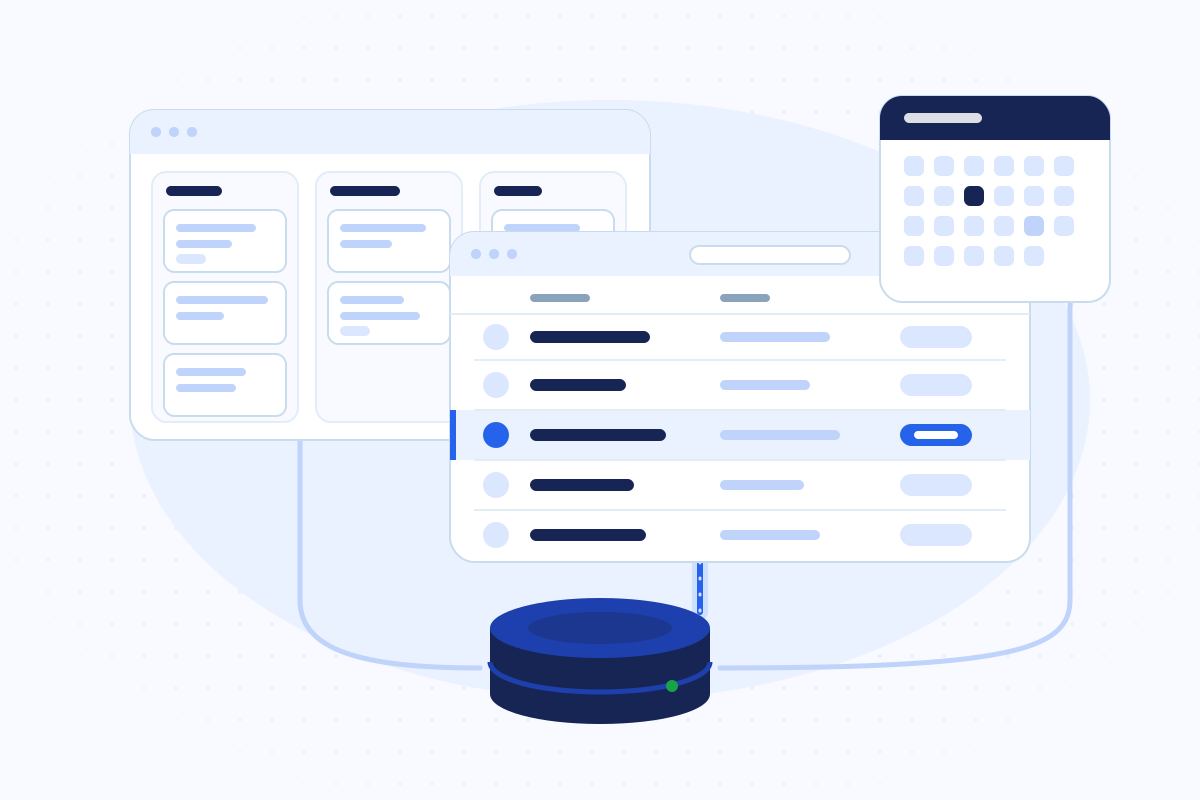
What the module does
Each card describes what the Dido hire module does today.
A pump, a generator or a compactor goes out as a single item with its own reference. Each machine has a day or hour rate, before tax, and a status: in service, in maintenance or retired.
For any period, Dido lists the free machines and says what holds the others. Dido refuses a booking that overlaps another, naming the contract and customer already holding the machine.
Contract dates reserve the machine. The actual departure and return set the price. A day is a calendar day, weekends included, and hours round up.
On return, Dido proposes the duration and amount, and says whether it measured them from the actual departure or the booked start. You can change the billed units. Dido records a late return, and the contract list flags overruns.
Money paid before the invoice goes to a cash drawer, the cheque register or a bank account, like any payment. When you invoice, it goes on the contract's invoice.
A deposit is the customer's money, held and handed back. In cash, it goes into your drawer and leaves from the drawer of whoever returns it.
You hand the deposit back, less anything you keep, with the reason for keeping it.
A returned hire goes on an ordinary Dido invoice, with VAT added unless you say otherwise, and never for a seller on the IFU flat-rate tax. Dido invoices each contract only once.
A summary gives deposits held, advances not yet invoiced and hire invoices still owed.
Comparison
What happens to each hire task with each tool. The Dido column repeats what this page describes.
| Task | Paper notebook | Excel | Dido |
|---|---|---|---|
| Two bookings on the same machine | Visible if you reread the planner | Visible if you reread the sheet | Dido refuses the second one and names the contract and customer holding the machine |
| Billed time | Counted by hand | A formula on the dates typed in | Worked out from the actual departure and return, hours rounded up |
| Deposit and advance | Written by hand in the notebook | Two columns to keep apart | Kept apart until the deposit goes back |
| Amount kept from a deposit | Reason noted if someone thinks of it | Reason in a free-text column | What you keep carries its reason |
| Late returns | Spotted by rereading the dates | Possible with a filter on the dates | The contract list flags overruns |
| Invoicing one contract twice | Possible by mistake | Possible by mistake | Dido invoices each contract once only |
The Dido column describes the software as it works today. You can check it in the demo account.
One hire
Each step leaves a record on the contract.
You check availability for the period, then the contract reserves the machine for the customer. The booking does not set the price yet.
The machine leaves the yard. Dido refuses a departure at or after the end of the booking, so you move the dates first.
The machine comes back. Dido proposes the duration and amount from the actual departure.
The hire goes on an invoice, with the advances already paid. If an advance could not go on it, you add it afterwards.
You hand the deposit back to the customer, in full or less a stated deduction.
The money in a hire
An advance pays for the hire. A deposit is still owed to the customer. Dido keeps them apart from start to finish, and each contract shows what its invoice still owes.
Cash goes through the drawer, and advance cheques through the cheque register until they reach the bank. A cash deposit goes through the drawer, then back to the customer less any stated deduction.
Who it suits
The module fits wherever each machine has its own number, schedule and current customer.
Inside Dido
A hire invoice is a Dido invoice like any other. It joins the same receivables, cash drawers and reports as your sales.
A construction customer keeps one account with its sites underneath, and you follow the amount invoiced, paid and still owed for each site.
See sales and invoicingSee custom ERP developmentQuestions
From the actual departure and return. A day is a calendar day, weekends included, and hours round up. On return, Dido proposes the duration and amount, and you can change the billed units.
No. Dido refuses the booking and names the contract and customer already holding the machine. The availability list shows, for a period, the free machines and what holds the others.
The advance pays for the hire and goes on the invoice. The deposit is still the customer's money: you hand it back at the end, less any stated deduction.
Dido records the late return and bills the actual duration. The contract list flags late returns and bookings that clash because of an overrun.
Machine rates exclude tax, and the invoice adds VAT unless you say otherwise. A seller on the IFU flat-rate tax never charges VAT.
Yes. Dido proposes the distance to the customer or the site, then your tariff by distance band gives the amount, which goes on the invoice as an ordinary line.
We do not publish a price list. The price depends on the modules you take, and we quote it after a short call.
Yes. On the Dido sign-in page, enter admin@demo-location.dz and the password example, then open Ventes, Location de matériel. The sample contracts cover every stage, including booked, out, overdue, returned and waiting for its invoice, hired by the hour, invoiced with the advance applied and the deposit returned, and cancelled.
Guides
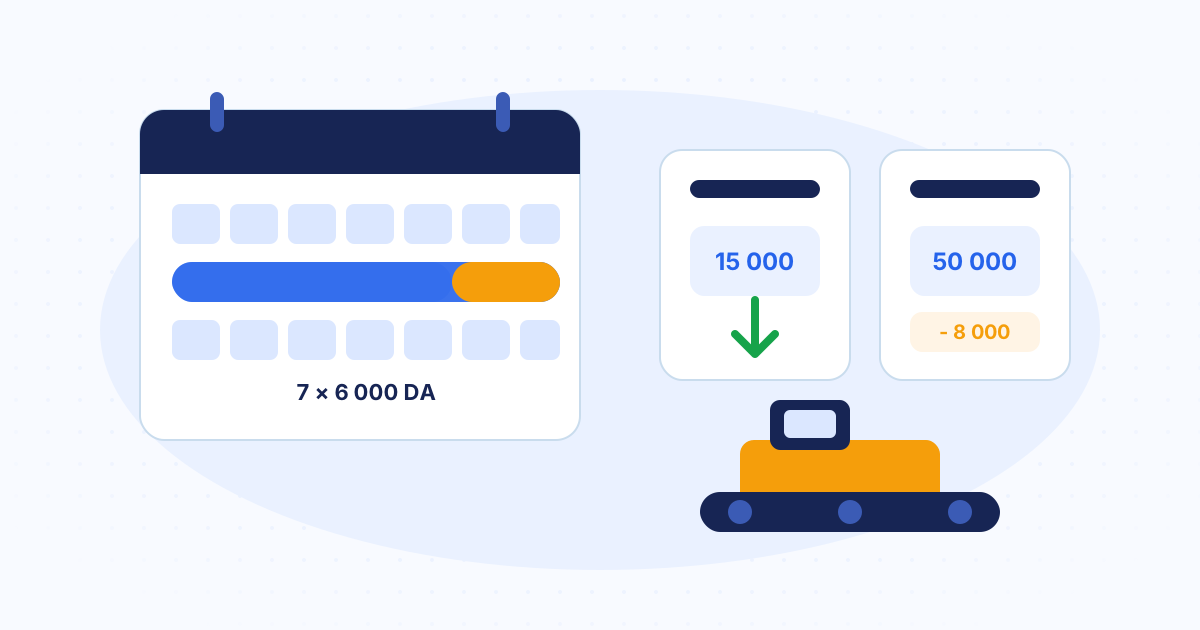
Advance, earnest money and deposit: what pays for the hire, what stays with the customer, how to bill actual days and keep back damage. Notes penal code art. 374(3) on cheques held as a guarantee. Not a substitute for a lawyer.
Read the guide (French)
What moves the price of business software, how to read a quote line by line, and which questions to ask before you sign.
Read the guide
Algeria's 2026 finance law requires proof, during a tax audit, that nobody can rewrite the records kept by till and accounting software, and that the software protects and archives them. What the articles say and what to check.
Read the guide (French)
How to state what a business system must do without writing a technical novel: goals, users, workflows, rules, data, security and acceptance.
Read the guide (French)That number and how you track deposits today are enough for us to show you a complete hire in Dido.